
Akkumulátorral teszteljük az ADA485 eszközt
Az ADA485 eddig főként inverterek, fogyasztásmérők és hálózati eszközök adatainak feldolgozására terveztük. A legújabb firmware-frissítés óta azonban akkumulátor BMS rendszerekhez is illeszthető, így cellaszintű feszültségek, hőmérsékletek, ciklusszámok és SOC értékek jeleníthetők meg valós időben a hmke.app felületen.
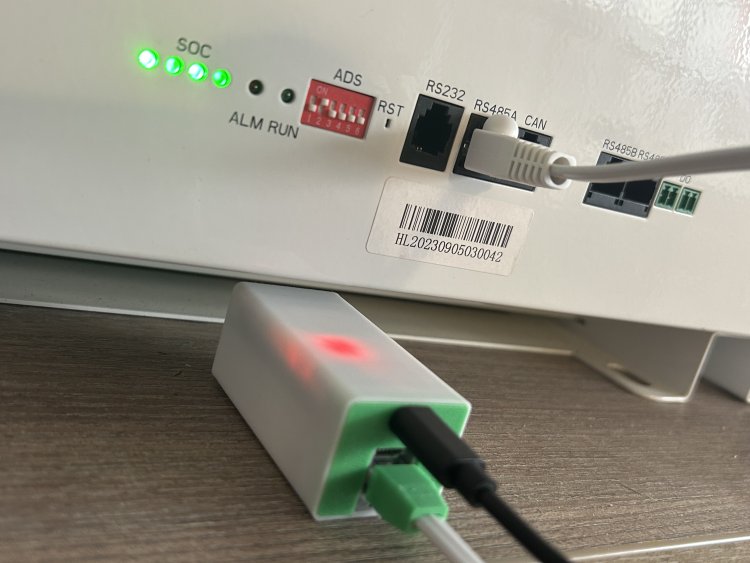
Ez óriási előny a háztartási energiatárolásban, ahol a felhasználónak nemcsak a termelést és fogyasztást, hanem az akkumulátor egészségét is monitoroznia kell.
Hogyan működik?
Az ADA485 kulcsa a protokoll-kezelés. A LittleFS fájlrendszerbe feltöltött .485 fájl tartalmazza a BMS vagy mérő protokollját. Ez titkosítottan kerül az eszközre, a firmware pedig dekódolja és betölti. Így:
-
új eszköz támogatásához nem kell firmware-t frissíteni,
-
elegendő a megfelelő protokoll fájlt letölteni és aktiválni,
-
a végpontok automatikusan a protokoll mezői alapján épülnek fel.
Elérhető végpontok
Az eszköz egy beépített JSON szervert futtat a 8989-es porton, és számos API végpontot nyújt:
-
GET /protocol/raw→ a nyers, utoljára feldolgozott keret -
GET /protocol/schema→ a protokoll mezőinek sémája (id,name,unit) -
GET /protocol/values→ az aktuális, feldolgozott adatok JSON-ban -
POST /protocol/load→ új protokoll letöltése és aktiválása a greenhess firmware szerverről -
GET /protocol/current→ jelenleg használt protokoll metaadatai -
POST /protocol/erase→ protokoll fájl törlése a LittleFS-ből -
GET /protocol/info→ dekódolt metaadatok (product_name, manufacturer, model, type, stb.)
Kiegészítő végpontok:
-
GET /json→ a cache-elt adatok gyors elérése -
GET /time→ szinkronizált idő (UNIX, ISO, rövid timestamp) -
POST /write→ manuális adatírás (pl. teszteléshez, demohoz) -
GET /restart→ az eszköz újraindítása -
GET /factoryreset→ gyári visszaállítás és EEPROM törlés
MQTT integráció
Az ADA485 MQTT-n is publikálja az összes adatot, tipikusan a következő témák alatt:
-
ada485/→ élő mért adatok JSON formátumban -
ada/cmd/→ távoli parancsok (pl. restart, protokoll betöltés) -
ada/ack/→ parancsokhoz tartozó válasz / ACK
Támogatott MQTT parancsok például:
-
op: "restart"→ eszköz újraindítása -
op: "factory-reset"→ EEPROM törlés és újraindítás -
op: "getraw"→ nyers keret lekérése MQTT-n keresztül -
op: "load-protocol"→ protokoll letöltése és aktiválása távolról
Ez azt jelenti, hogy az ADA485 nemcsak adatforrás, hanem vezérelhető IoT végpont is, ami a P1 Meterhez hasonlóan távolról programozható.
Akkumulátoros teszt
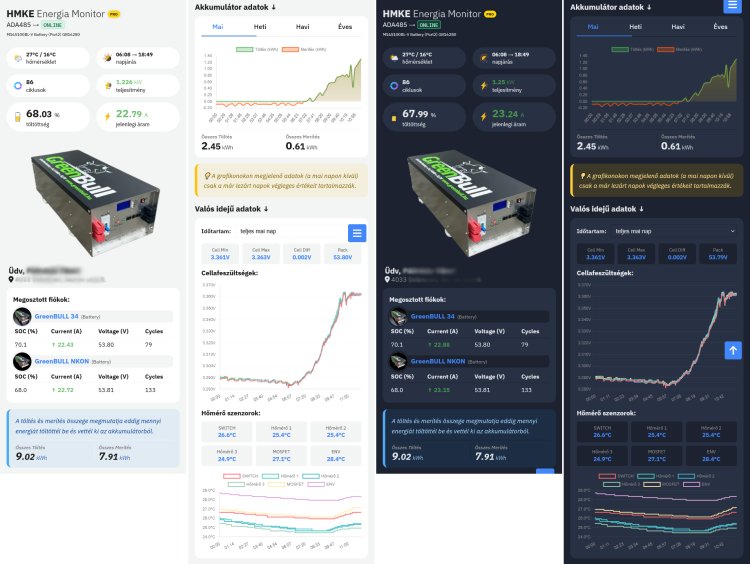
A képernyőképeken látszik, hogy a rendszer valós időben mutatja:
-
a cellafeszültségek minimum, maximum és differencia értékét,
-
a hőmérséklet szenzorokat (MOSFET, BMS, környezet),
-
az SOC és ciklusszám állapotát,
-
valamint az összesített töltés–merítés kWh adatait.
A HMKE.app felület napi, heti, havi és éves bontásban is vizualizálja ezeket, így a felhasználó teljes képet kap akkumulátora működéséről.
Miért fontos?
Az energiatároló rendszerek akkor működnek jól, ha nem csak "fekete dobozként" használjuk őket, hanem pontos adataink vannak a belső állapotukról. Az ADA485 révén a lokális hálózaton és MQTT-n keresztül távolról vezérelhetjük az akkumulátort, integrálhatjuk okosotthon rendszerbe, vagy akár aggregator központba.
Ez az első lépés afelé, hogy az ADA485 ne csak inverter és mérő, hanem egy teljes körű energiamenedzsment gateway legyen.