
2026 Solar Panel and Storage Tender: The missing link between the inverter and the electricity meter.
Finally, the details of the 2026 residential energy storage tender have arrived. The goal of the government support is clear: the solar energy generated during the day should not be fed back into the grid (where, due to gross metering, we barely get anything for it), but stored for the evening. The tender is generous: it offers support for batteries, inverters, and expansions. But there is a catch that few talk about.
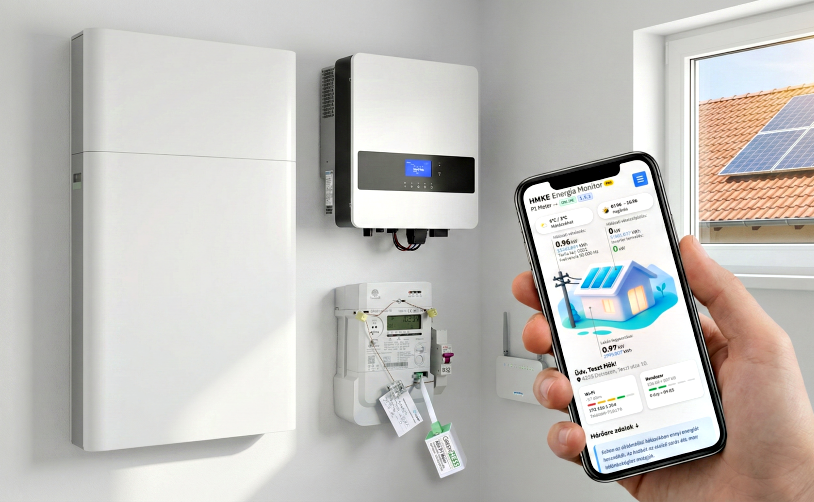
Most owners buy the expensive hybrid inverter and a 10-15 kWh battery, sit back, and expect zero-cost electricity bills. Then comes the surprise: the system works, but the electricity bill doesn’t decrease as much as they expected. Why? Because the systems are "flying blind."
The "Black Box" problem Modern inverters do come with apps, that’s a fact. But these often display data with a 5-15 minute delay or only show production, not the real-time actual consumption of the house accurately. Let’s imagine a typical situation:
It’s 2 PM, the sun is shining, the battery is at 100%.
The inverter throttles because there’s nowhere to put the electricity.
You don’t know about this, because you see it only 15 minutes later (or never) in the app.
Meanwhile, you start the washing machine at 8 PM when the battery is already drained, and you are using expensive grid electricity.
This is wastefulness. Here comes the importance of real-time measurement and the ADA P1 Meter.
What is the ADA P1 Meter and why is it a must-have in 2026? The heart of your tender-purchased system is the inverter, but the "brain" must be measurement. The ADA P1 Meter is a small device that you can connect directly to the P1 port of your smart electricity meter (if your provider supports this, which is standard with new meters).
This small device sends real-time data on your consumption, feed-in, and grid voltage every second. Not 15 minutes later. Now.
How does this help with payback?
You see the invisible: On the hmke.app interface or in your own Home Assistant system, you immediately see if you have "excess." If the battery is full and you still have 3 kW production, your phone can beep: "Start the dishwasher with free power!"
Optimized battery use: When you see the exact real-time consumption, you can schedule big consumers (boiler, EV charger, heat pump) so they don’t unnecessarily drain the battery while the sun is still shining, or drain it too quickly in the evening.
Independence: The data does not first go to some Chinese cloud, but to you. You own the data.
Summary The 2026 tender is a huge opportunity for reducing utility costs. But remember: the hardware (solar panel + battery) is just the muscle. The intelligence that operates it efficiently is accurate data. In a 2-3 million HUF investment, a P1 meter costing just a few tens of thousand HUF is the insurance that guarantees your system truly generates profit for you, not for the provider.
If you are serious about energy independence, don’t just look at your battery’s size, but also at how deeply you can see into your system’s operation.